Emergency Services Available
May 12, 2026 | Blog
Las Vegas summers are known for extreme desert temperatures that regularly exceed 100 degrees Fahrenheit. During severe heat waves, temperatures can remain dangerously high for several consecutive days, putting enormous pressure on residential and commercial air...
April 23, 2026 | Blog
Summerlin is known for its beautiful homes and sunny desert climate, but with that comes one major challenge—extreme summer heat. As temperatures rise well above 100°F, maintaining a cool and comfortable indoor environment becomes essential. Unfortunately, many...
April 16, 2026 | Blog
Las Vegas summers are no joke. With temperatures regularly exceeding 100°F, your air conditioning system becomes one of the most important parts of your home. It’s not just about comfort—it’s about safety, health, and maintaining a livable indoor environment. But like...
March 19, 2026 | Blog
Summer in Las Vegas brings extremely high temperatures, often exceeding 100°F for weeks at a time. While air conditioning is essential for keeping homes comfortable, many homeowners notice that their energy bills rise dramatically during the hottest months. It is not...
March 12, 2026 | Blog
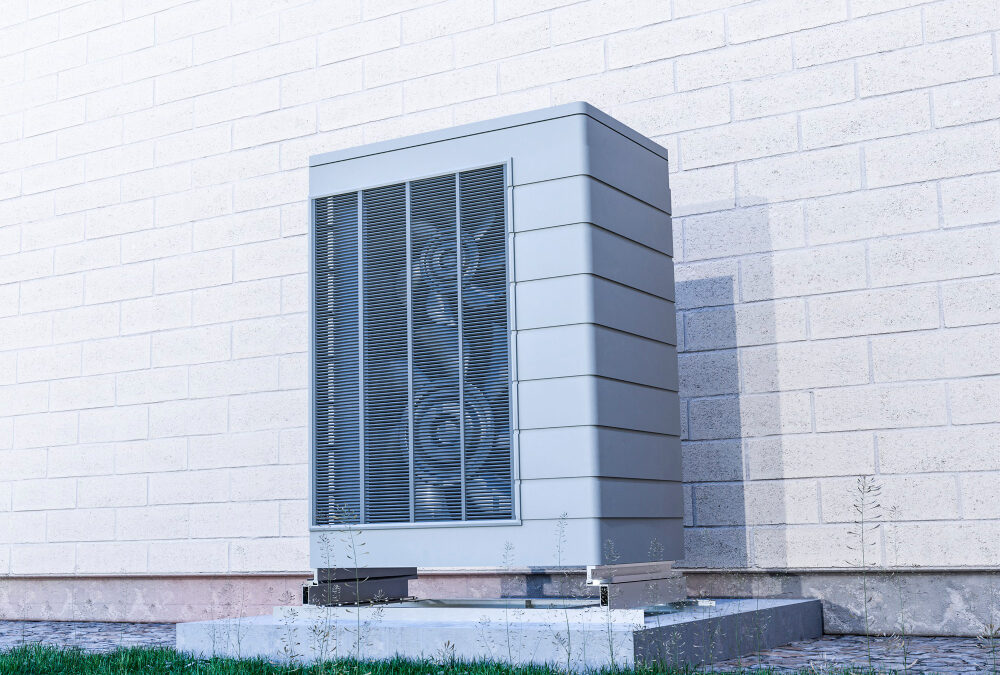
Living in Las Vegas comes with many advantages, including sunny weather, vibrant neighborhoods, and beautiful desert landscapes. However, the region’s extreme desert climate also presents unique challenges for homeowners—especially when it comes to keeping homes cool...
February 24, 2026 | Blog
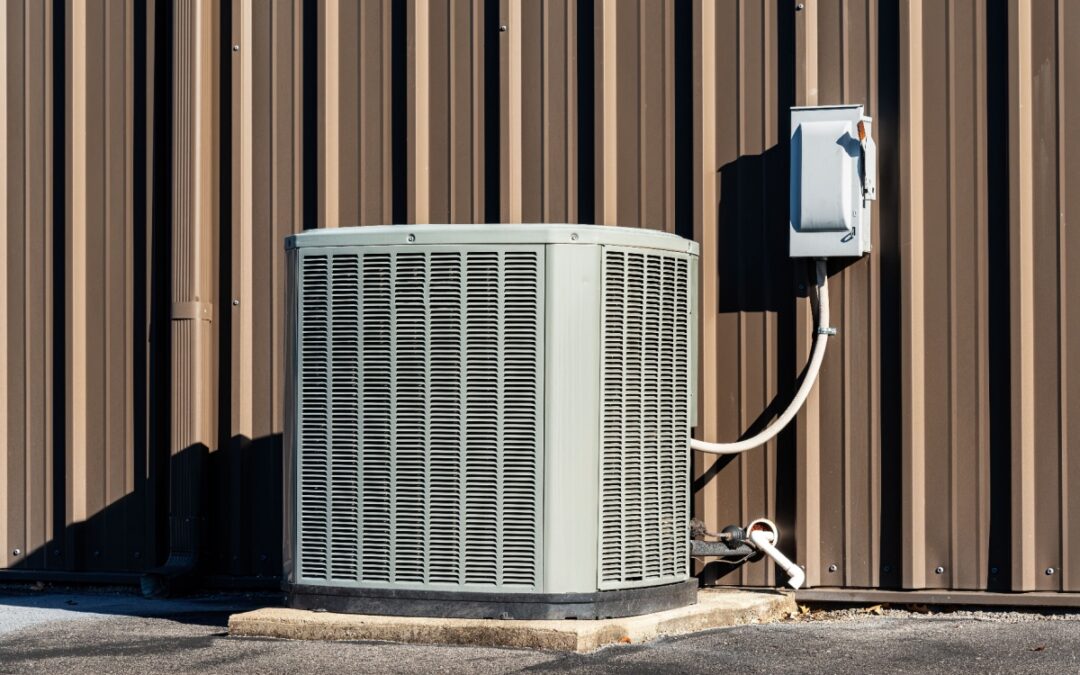
Living in Las Vegas means depending on your air conditioning system for most of the year. With summer temperatures regularly exceeding 100°F and extended cooling seasons stretching from late spring into early fall, your AC unit works significantly harder than systems...

